2026-10-24 ·
How To Prevent Pipe Bursts During Midvale Winters
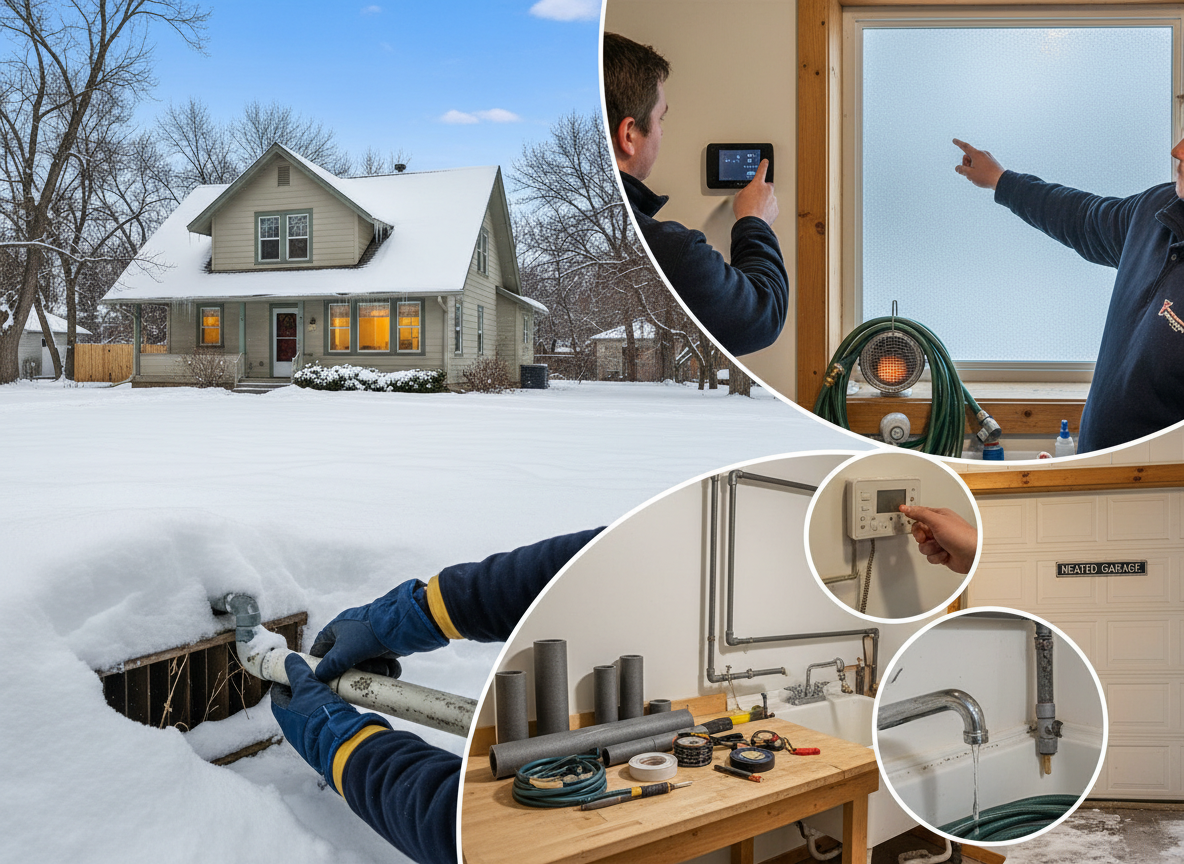
Preventing pipe bursts during Midvale winters begins with insulating exposed pipes and keeping indoor temperatures above 55°F when overnight lows drop below 20°F. Semi-arid conditions here mean rapid temperature swings from warm days to freezing nights that stress plumbing in older housing stock around Bingham Junction and Old Town Midvale. Homes built in the 1950s through 1970s often have galvanized or copper lines in crawl spaces and exterior walls that lose heat quickly near the Bingham Junction TRAX Station corridor. Consistent monitoring of these areas cuts the chance of ice expansion splitting joints.
Map Vulnerable Pipes in Local Housing Stock
Midvale neighborhoods like Old Town Midvale feature many single-story homes with crawl spaces where pipes run close to the ground. These setups freeze faster than basements when cold air sinks during January and February nights. Walk the perimeter of your property and note any lines entering through north-facing walls or near unheated garages. In Bingham Junction, newer townhomes still have exterior hose bibs that need covers rated for 0°F temperatures. Mark each spot on a simple diagram so you can prioritize insulation before the first hard freeze hits Salt Lake County.
Insulate and Seal for Midvale Temperature Swings
Use closed-cell foam sleeves at least 1/2 inch thick on pipes in unconditioned spaces, focusing on runs within 3 feet of exterior walls. Apply pipe tape or heat cable on lines that serve outdoor spigots common in West Jordan-adjacent properties. Seal gaps around foundation penetrations with expanding foam to block the drafts that accelerate freezing in semi-arid winter air. Check attic and crawl space vents; closing them partially during sustained cold periods helps retain warmth without trapping moisture that leads to other issues.
Maintain Heat and Monitor During Cold Snaps
Set your thermostat to 60°F or higher when leaving for work or travel, even if the daytime high reaches 40°F. Midvale's overnight lows near the Jordan River corridor often fall 15–20 degrees below daytime readings. Open cabinet doors under sinks to allow warm air to circulate around pipes. Install a simple indoor thermometer in the crawl space or garage and check it daily when forecasts from the National Weather Service show sustained sub-freezing conditions. These habits prevent the slow freeze that bursts pipes in 8–12 year old homes where insulation has settled.
Respond Quickly and Know Local Restoration Options
If you hear running water or see damp drywall, shut off the main valve immediately and call for water leak restoration at the first sign of moisture. Hidden leaks in Midvale crawl spaces often appear after a thaw, so review checking for hidden leaks in midvale crawl spaces for step-by-step inspection methods. Document any damage with photos before cleanup begins. For cost context after an incident, review typical costs for water damage restoration in salt lake county to understand variables like square footage affected and drying time required in our dry climate.
Schedule Annual Checks Before Winter Arrives
Have a plumber inspect water heater connections and main shutoff valves each October, paying special attention to homes near Midvale City Park where older galvanized lines remain. Replace rubber supply lines to toilets and washing machines every 5–7 years, as they stiffen in repeated freeze-thaw cycles. Keep a written log of these checks so you can spot patterns in properties throughout Murray and surrounding Salt Lake County areas. This routine catches small issues before they become emergency water removal situations during the next cold front.